studiox.

Put AI to work ineveryday operations.

The hardest part of adopting AI isn’t the model — it’s connecting it to your existing processes, data and permissions. We integrate large language models into your systems, in the cloud or on-premise, from document processing and knowledge Q&A to decision support. AI takes on the repetitive judgment calls, so your people can focus on the decisions that take experience.

Most companies’ AI efforts stop at “trying out a chatbot.” The real value comes when AI understands your data, connects to your systems and — within the right permissions — takes repetitive daily work off your team’s plate.

What you get

  • Use-case mapping & ROI assessment
  • Proof of concept & performance testing
  • Data preparation & knowledge base setup
  • AI features integrated into existing systems
  • On-premise model deployment & tuning
  • Access control, security & audit planning
  • Post-launch monitoring & continuous improvement

Your data,your servers

Beyond connecting to cloud services, we can run your entire AI stack in your own server room.

On-premise AI

Local AI — your data never leaves the building

Open-source large language models run on your own servers or private cloud, so sensitive data never passes through an outside service. Ideal for teams with strict confidentiality, compliance or network requirements — and the model can be tuned on your business data, so its answers fit how you actually work.

  • On-premise or private cloud deployment
  • Open-source model selection & tuning
  • Works on internal and offline networks
  • Free from external API pricing and policy changes
What’sincluded

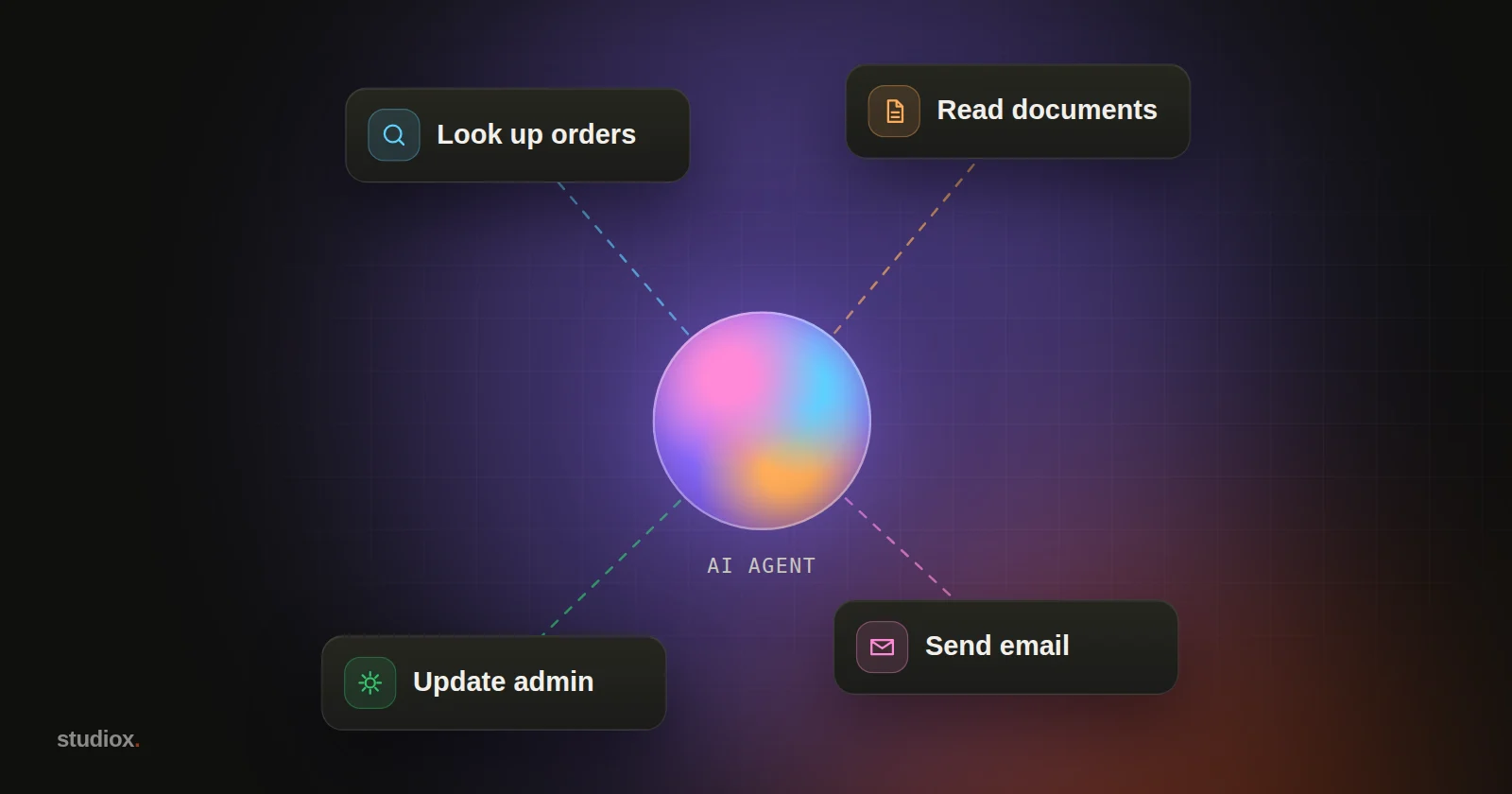
We bring AI into the systems and workflows you use every day — processing documents, answering questions and supporting decisions. Not just another chat window.

Knowledge base Q&A

We turn SOPs, contracts, product manuals and historical records into a searchable knowledge base. Answers cite their sources, and new hires get up to speed fast.

Document recognition & extraction

AI reads invoices, orders, quotes and all kinds of forms, extracts the key fields and writes them into your system — no more entering them by hand, one by one.

AI inside your workflows

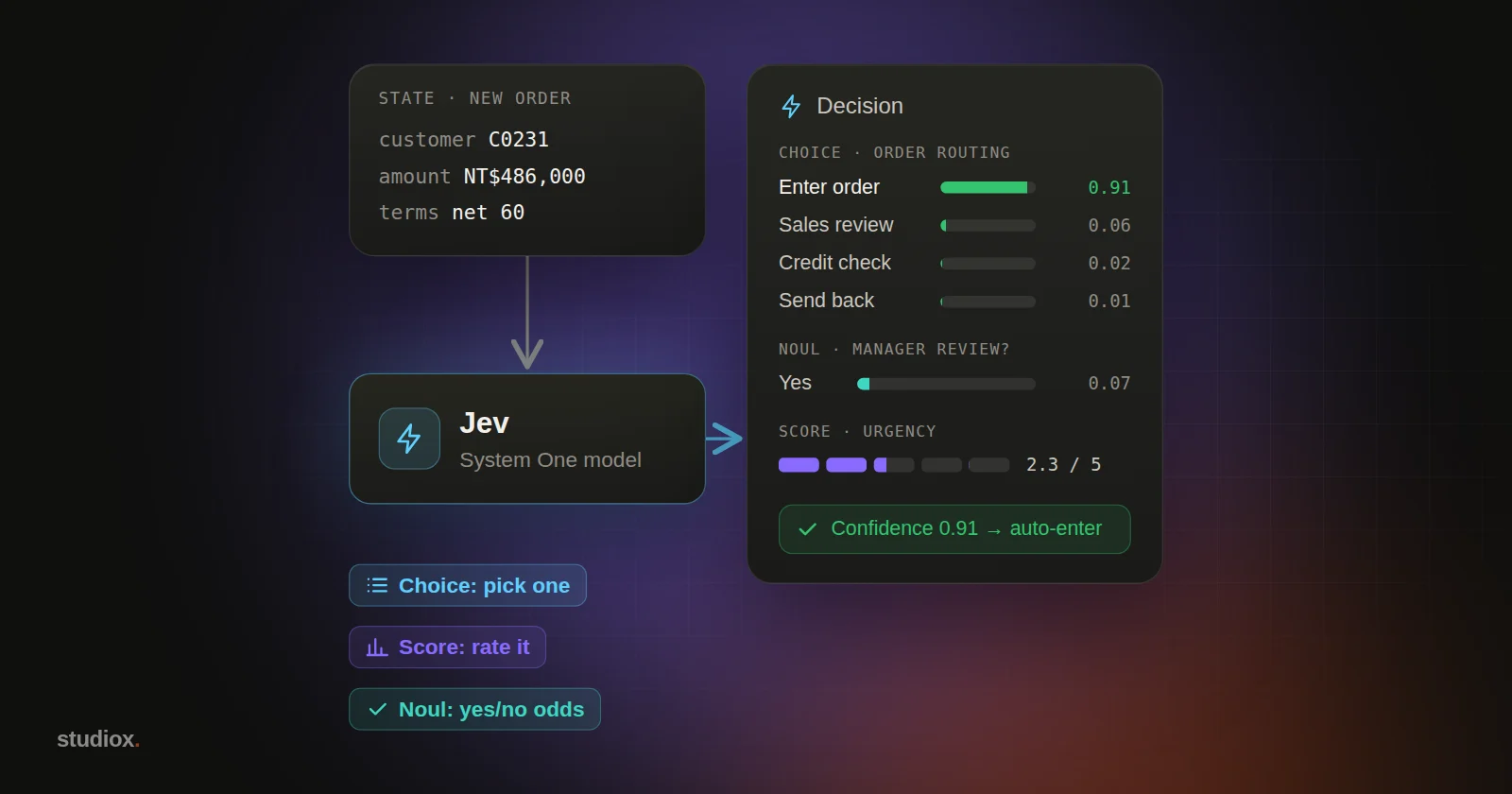
Add AI judgment to existing processes: sort support tickets, draft replies and flag anomalies automatically, then have a person confirm.

Conversational queries

Ask for operational data in plain language — like “Which product had the highest return rate last month?” — instead of waiting for someone to pull a report.

Data security

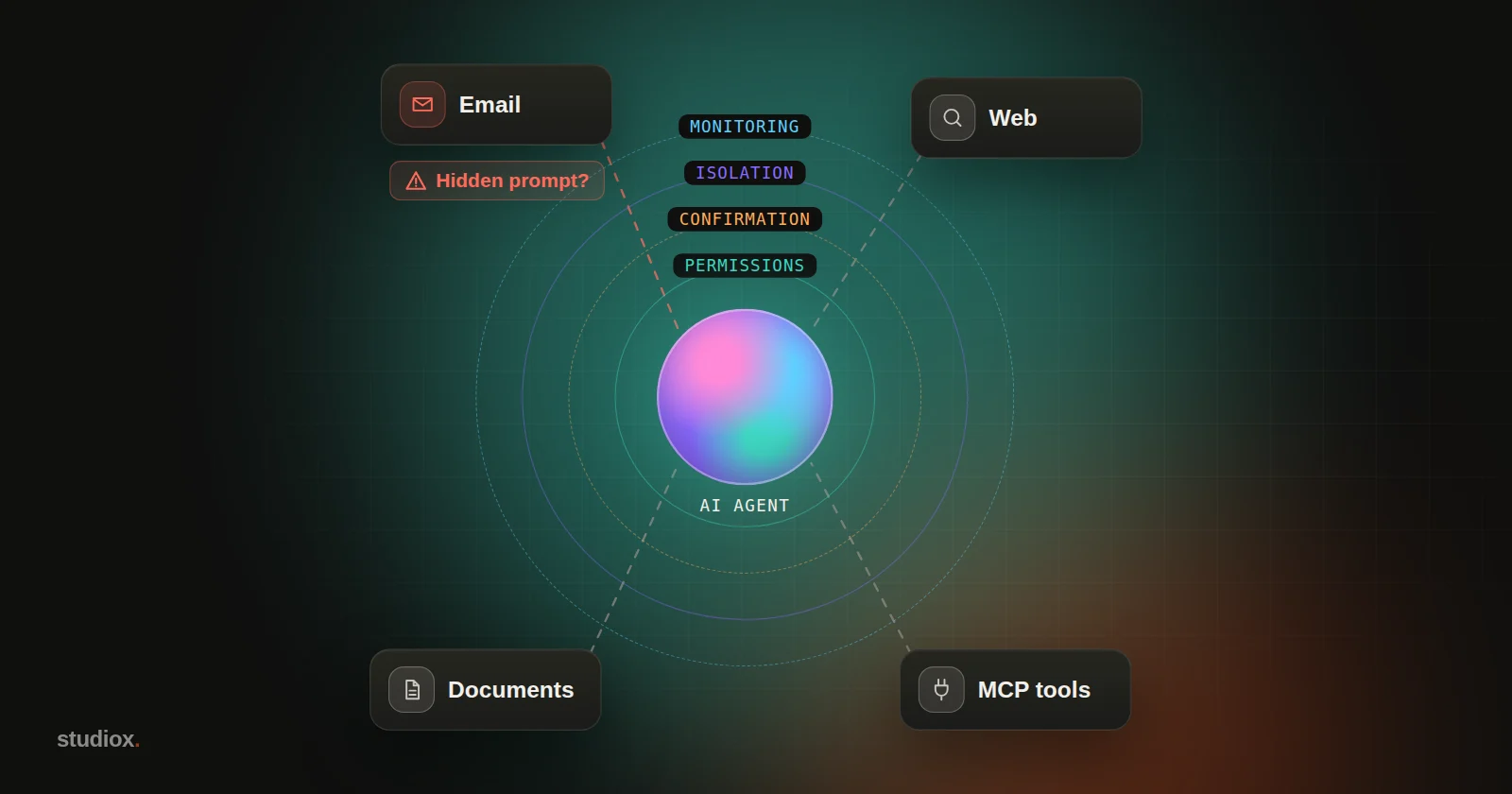
Role-based controls limit what data AI can read. When needed, the whole stack runs on-premise so sensitive information never leaves, and every question and action is logged.

Measuring results

We define evaluation criteria before launch, then track accuracy and hours saved — and let the data decide the next step.

Usecases

Start with the most time-consuming, repetitive work. Here are common use cases, department by department.

Customer service

  • Automatic ticket sorting
  • Reply drafting
  • Instant answers to FAQs

Sales

  • Inquiry summaries
  • Quote drafting
  • Client correspondence summaries

Operations

  • Document capture & entry
  • Anomaly alerts
  • Demand trend analysis

Finance

  • Invoice recognition
  • Reconciliation matching
  • Automatic expense categorization

Management

  • Conversational reporting
  • Meeting summaries
  • Decision briefings

Knowledge

  • SOP Q&A
  • Onboarding assistant
  • Contract clause search

FAQ

Didn't find your question? Ask us directly →

Will the AI make things up?

AI answers are limited to the data you provide and cite their sources, so they’re easy to verify. Any action that writes or sends data includes a step where a person confirms it. Before launch, we also test accuracy against real cases.

Is it safe to give our company data to AI?

When we use cloud services, we choose enterprise plans that don’t use your data for model training, and we control which data each role can access. If you need stricter confidentiality, we can deploy the entire AI stack on-premise, so your data never leaves the company.

Is on-premise AI as good as cloud services?

Open-source models are improving fast. For work like document processing, knowledge Q&A and classification, local models already perform at a practical level. We test with your real data first, then choose the model size based on results and hardware budget — a hybrid of local and cloud is also an option.

Do we need a lot of data to get started?

Not necessarily. Many use cases can start with the documents and processes you already have. We prove the value with a small proof of concept first, then decide whether to scale up.